 Photo by
 Best Online Animation & Video Game Schools in Canada and the USA (and Why Online Learning Works)
Looking for an online animation school in Canada or the USA? The landscape has changed: traditional campuses, hybrid programs, intensive bootcamps, and fully online animation school options all compete for your attention. This post compares learning models, highlights strong online options for animation, visual effects, and video game training, and explains why VANAS’s flexible structure works for career-minded students.
Table of contents
- Learning models compared
- Why online learning works for animation and games
- Why VANAS’s flexible structure stands out
- How to choose the right program
1. Learning models compared
Understanding how a program delivers instruction is crucial. Here are the major models you’ll find:
- In-person (campus): Hands-on access to studios, equipment, and face-to-face critique. Great for networking, but often inflexible and costly.
- Hybrid: Mixes campus labs with online lectures. Offers some flexibility, but still requires scheduled campus attendance.
- Synchronous online: Live classes at set times. Good for real-time feedback and cohort motivation, but scheduling can be rigid.
- Asynchronous online (self-paced): Lessons, exercises, and feedback that fit around your schedule. This model supports working students and international learners.
- Bootcamps / Intensives: Short, focused, outcome-driven training (portfolio or job-ready skillsets). High intensity, often expensive, and may not cover fundamentals deeply.
For animation, visual effects, and video game careers, the best model depends on your learning style and life constraints. If you need schedule flexibility, look for high-quality asynchronous content plus regular mentorship and project-based assessments.
2. Why online learning works for animation and games
Online learning isn’t just a convenience — it can be a strategic advantage for artists and developers when implemented correctly:
- Flexibility: Animation and game art are practice-heavy disciplines. Asynchronous lessons let students iterate on art on their own schedule, which is essential for building a portfolio.
- Faster production cycles: Students can rewatch demos, reuse lessons, and apply techniques directly to personal or freelance projects.
- Access to mentors: High-quality online programs connect students with working industry pros who provide targeted feedback — often more than a crowded lecture hall can offer.
- Geographic freedom: You can study at an excellent online animation school in Canada even if you live elsewhere in North America or globally.
- Cost efficiency: Online programs often reduce commuting, relocation, and campus fees, making career training more affordable.
That said, not all online programs are equal. The most effective ones combine structured milestones, regular critiques, and opportunities to work on team projects — all of which build workplace-ready skills.
3. Why VANAS’s flexible structure stands out
VANAS is built around three principles that address real-world needs for animation and game students:
- Flexible pacing with industry mentorship: Students follow a clear curriculum but control the pace. Regular mentor reviews ensure progress without forcing a rigid timetable.
- Project-first learning: Each module focuses on real, portfolio-ready projects — from animated shorts and rigging tests to game-ready character art and VFX shots. These projects simulate studio workflows.
- Career services and industry alignment: VANAS provides portfolio guidance, demo reel reviews, and career advising tailored to animation, video game art, and visual effects roles in Canada and the USA.
Combined, these elements make VANAS a strong online option for people who need to balance work, family, or location constraints while still building a competitive portfolio.
4. How to choose the right program
Follow these steps when evaluating online animation or video game schools:
- Define your goal: Are you after an entry-level studio role, indie game development, or freelance animation work? Different goals need different training.
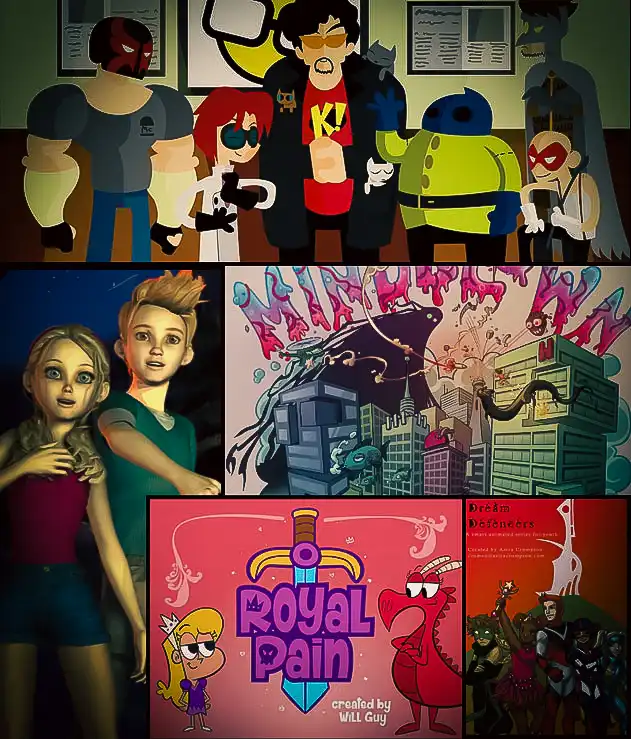
- Review graduate work: Look at alumni reels and portfolios to judge real outcomes.
- Check mentorship and feedback cadence: Weekly critiques and mentor-led reviews are critical for improvement.
- Confirm tool access: Ensure the program trains on industry-standard software (Maya, Blender, Unreal, Unity, Substance, Nuke, etc.).
- Ask about career support: Does the school help with reel reviews, interview prep, and employer connections?
Keywords: online animation school Canada, USA, animation school online, animation, video game, visual effects — keep these in mind as you compare options.
Final takeaway
If you need schedule flexibility, goal-driven projects, and mentor feedback, an online animation school can be the fastest path to a career in animation, visual effects, or video games. VANAS’s flexible structure — project-first curriculum, industry mentors, and career services — is tailored to creators who want to learn on their terms and produce studio-ready portfolios usable in Canada and the USA.
Want help comparing programs or reviewing a few reels? VANAS offers free consultations and portfolio advice to prospective students. Visit https://www.vanas.ca to learn more.