 Photo by
 The Digital Art Skills Used in Jackpot City Casino Games
Casino games look simple on the surface, but modern titles like those at Jackpot City are the product of layered digital-art disciplines working together. From crisp 2D UI to optimized 3D slot machines and fluid animation loops, each visual decision supports clarity, player feedback, and economy. Below we map the core skills used and show how they connect in a production pipeline.
2D Art: Iconography, UI and Visual Language
2D artists build the game's readable face. They design symbols, paylines, buttons, and promotional banners so information reads instantly at any scale. Key responsibilities:
- Iconography & glyph design: create distinct, silhouette-driven symbols for reels, bonuses and special features.
- HUD and layout: prioritize hierarchy—what the player must know at a glance (balance, win, spin).
- Marketing assets: hero banners, thumbnails and store imagery that convert players.
In Jackpot City titles, 2D art is often the difference between a confusing interface and an intuitive experience. Readability, contrast, and consistent metaphors matter more than photoreal polish.
3D Art & Modeling: Props, Machines and Environments
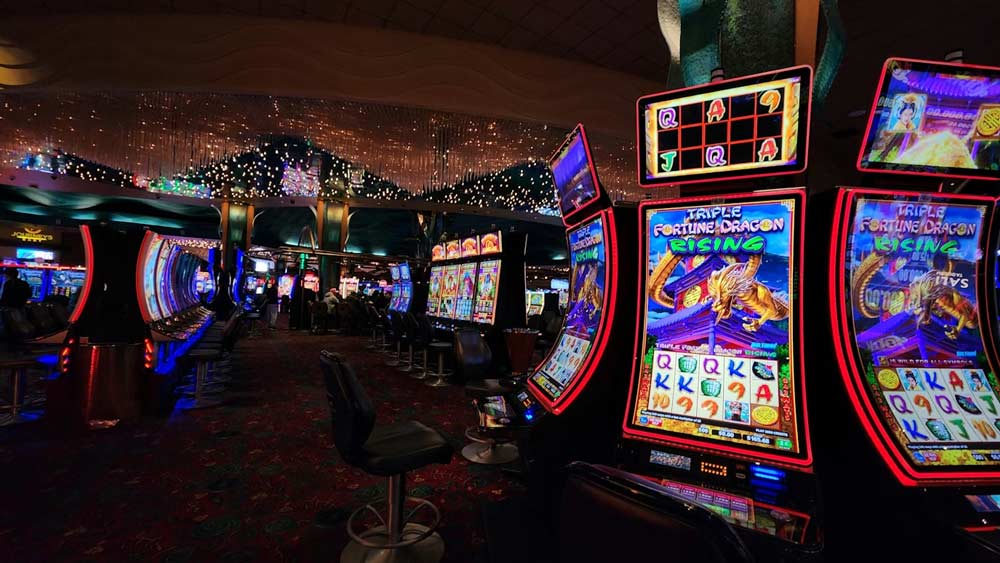
3D artists translate concepts into optimized assets: slot cabinets, animated props, and environmental set pieces. Typical tasks:
- High-to-low poly workflow: sculpt high-detail elements, then retopologize for real-time performance.
- UV layout and packing: maximize texture resolution where players look most.
- LODs and asset streaming: prepare multiple detail levels for smooth performance on diverse devices.
Even when games use 2D sprites, 3D models are often baked into textures and effects to add believable lighting and depth while keeping runtimes low.
Animation: Feedback, Loops, and Reward Moments
Animation engineers and artists craft motion language that communicates outcomes and builds excitement. Important areas:
- Reel and symbol animation: short loops that read clearly at small scales and emphasize wins.
- UI motion: easing, anticipation and follow-through guide attention without distracting.
- Procedural effects: particle bursts, confetti, and camera shakes timed to reward frames.
Great animation in casino games balances spectacle with information—effects must never obscure result clarity.
Modeling Techniques: From Sculpt to Sprite
Modelers apply techniques that prioritize both fidelity and runtime constraints:
- Digital sculpting for believable ornamentation on machines and themed props.
- Baking normal and ambient occlusion maps to simulate surface detail on affordable textures.
- Modular modeling so parts (icons, buttons, trims) can be mixed, recolored, or animated without extra memory cost.
These techniques let teams iterate quickly and reuse assets across multiple game skins or themes.
Game Design: Systems that Visuals Must Serve
Visuals in Jackpot City games are subordinate to design systems: payout tables, volatility profiles, and reward pacing. Artists must sync with designers to ensure visuals support gameplay:
- Visual priority maps: signal which UI elements must remain visible during animations.
- Clarity-first VFX: win effects timed to avoid masking the final payline.
- Theming tied to mechanics: ensure every special symbol or mechanic has a distinct visual and motion language.
When art teams internalize game rules, they can design visuals that reinforce player understanding and retention.
Production Management: Pipelines, QA, and Delivery
Production managers keep dozens of assets moving through a tight pipeline. Their responsibilities include:
- Asset tracking and version control: ensure artists work on the correct LODs, textures, and builds.
- Build scheduling and platform targeting: prioritize optimizations for mobile, browser, or native clients.
- Cross-discipline reviews: coordinate design, dev and QA passes so visual changes don’t break mechanics.
Efficient pipelines prevent rework and ensure that launch schedules and certification windows are met.
How These Skills Fit Together
Successful Jackpot City titles are the result of collaboration:
- A designer defines a new bonus; a concept artist creates readable symbols; a modeler and texture artist produce optimized assets; an animator crafts reward loops; production ensures integration, testing and performance.
Mapping responsibilities against deliverables clarifies handoffs and reduces late-stage churn.
Skill Sidebar
- Sprite Sheet & Atlas Workflow: Pack UI and symbol frames efficiently to minimize draw calls.
- PBR Texturing & Baking: Create convincing materials that read under game lighting without heavy geometry.
- Rigging & Motion Graphs: Build reusable animation rigs and procedural motion blends for consistent reward timing.
Master these areas and you'll be able to contribute to every step of a casino game's visual pipeline—from concept thumbnail to shipped build.
Master the fundamentals in our Game Art & Production program.