 Photo by LeeAnn Cline on Unsplash
Author: VANAS
Illustration vs Concept Art: Which One to Choose as a Career?
VANAS Online Animation School offers Animation, Visual Effects, and Video Game programs. To launch your career, visit https://www.vanas.ca.
Table of Contents
- Quick definitions
- Key differences
- Day-to-day work
- Skills & tools
- Industries & opportunities
- Income & market outlook
- How to choose: questions to ask yourself
- Building a portfolio
- Frequently Asked Questions
Quick definitions
Illustration is the craft of creating single images that communicate an idea, tell a story, or sell a concept. Illustrators work across books, editorial, advertising, packaging, children’s media, and more. Their work often stands alone as a finished piece.
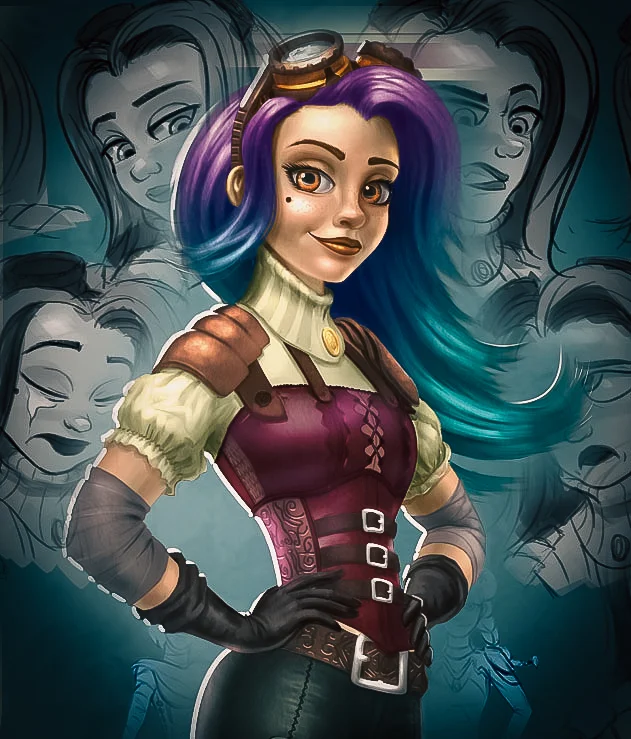
Concept art is a discipline inside entertainment design focused on generating visual solutions for characters, environments, props, vehicles, and moods used by game, film, and animation teams. Concept artists provide iterative designs that support production pipelines.
Both careers require visual storytelling, composition, color sense, and strong draftsmanship — but they serve different purposes and workflows.
Key differences
- Purpose: Illustrators craft final, standalone images. Concept artists generate options and systems that other departments will use and iterate on.
- Process: Illustration typically ends at a single polished piece. Concept art is iterative, producing many thumbnails, variants, and turnaround views.
- Deliverables: Illustrators deliver final artwork often ready for print or digital publication. Concept artists deliver design packages (silhouettes, orthographics, texture notes, color keys).
- Collaboration: Illustration can be solo or collaborative (e.g., art director). Concept art usually sits inside larger teams and must communicate technical constraints.
Concept art is a conversation; illustration is a statement.
Day-to-day work
Illustrator:
- Client briefs, research, and thumbnails
- Composition and storytelling decisions
- Final rendering and hand-off for print/web
- Client reviews and revisions (often fewer iterative cycles)
Concept artist:
- Fast thumbnails and iteration sessions
- Collaboration with directors, modelers, and technical artists
- Generating multiple solutions for a single design problem
- Producing clear references for downstream artists
If you enjoy finishing pieces and controlling every visual detail, illustration may feel rewarding. If you prefer rapid ideation, problem-solving, and influencing large projects, concept art might fit better.
Skills & tools
Shared foundations:
- Strong drawing fundamentals (anatomy, perspective, composition)
- Color theory, lighting, and visual storytelling
- Visual research and reference gathering
Illustration-specific:
- Mastery of a final rendering style (traditional or digital)
- Typography and layout basics when working editorial or packaging
- Client communication and self-marketing for commissions
Concept art-specific:
- Speed in thumbnailing and silhouette reading
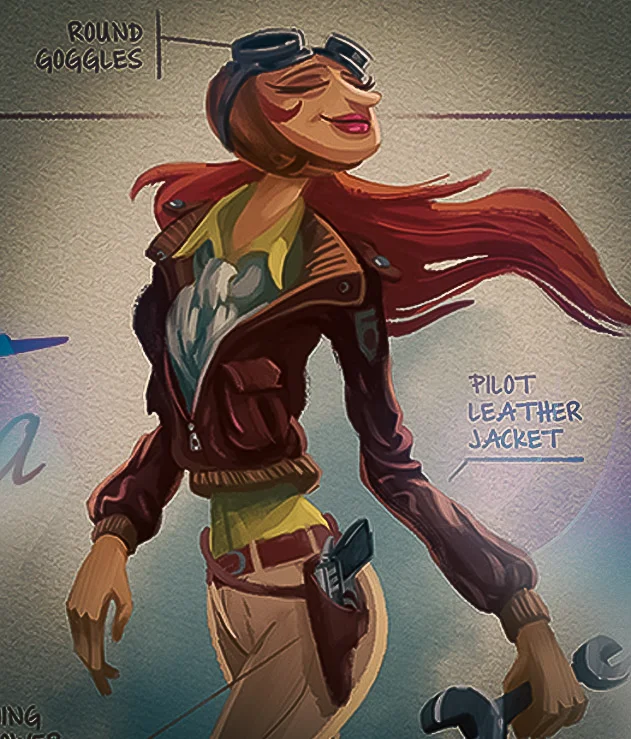
- Ability to communicate design intent via orthographic views and callouts
- Understanding of production constraints (polycounts, rigging, animation needs)
Common tools: Procreate, Photoshop, Clip Studio Paint, Krita; concept artists more often use Blender or 3D tools for quick blocking.
Industries & opportunities
Illustration:
- Publishing (books, magazines)
- Advertising and branding
- Editorial and infographics
- Licensing, posters, and print products
- Freelance commissions and teaching
Concept art:
- Video game studios (AAA and indie)
- Film and VFX houses
- Animation studios
- VR/AR experience design
Concept art roles are often embedded in larger production teams, while illustration offers broader freelance and product-focused opportunities.
Income & market outlook
Salaries vary widely by location, experience, and industry. Concept art roles at mid to large studios can offer stable salaries and benefits. Illustration income often relies on freelance sales, commissions, or steady contracts with publishers and agencies.
Prospects:
- Games and film maintain consistent demand for strong concept artists, especially those who can design quickly and clearly for production.
- Illustration demand persists in editorial, publishing, and commercial sectors, and the rise of indie publishing and Patreon-style patronage has opened new income models.
Stability vs variety: concept art generally offers steadier studio employment; illustration offers more entrepreneurial freedom but less consistent pay unless you establish recurring clients or products.
How to choose: questions to ask yourself
- Do you enjoy iteration and working inside a team pipeline, or do you prefer finishing singular, polished pieces?
- Do you like rapid ideation and solving design problems, or crafting a single, impactful visual statement?
- Are you excited by film, games, and world-building, or by publishing, editorial, and consumer products?
- Do you prefer stability and team roles, or flexibility and self-directed freelance work?
If you answered:
- Mostly team, iteration, world-building → lean concept art.
- Mostly finished pieces, personal style, and client-facing work → lean illustration.
Remember: these paths are not mutually exclusive. Many artists start as illustrators and transition into concept work (or vice versa). A hybrid skill set is valuable.
Building a portfolio
For illustration:
- Show 8–12 polished pieces that demonstrate range in narrative, composition, and style.
- Include client work, series or personal projects, and at least one commissioned or editorial example.
- Present work as final images with brief captions explaining the brief and results.
For concept art:
- Show strong thumbnails and process: idea → refinement → final color key.
- Include silhouettes, orthographic views, and turnaround sheets for characters or props.
- Demonstrate your ability to design for production with notes about constraints solved.
Both portfolios benefit from clear presentation, case studies, and a simple website or ArtStation/Behance links.
Transition tips
- Cross-train: learn quick thumbnailing and 3D blocking if you’re an illustrator moving toward concept art.
- Do spec work targeted for your desired industry: create environment sets for games, or editorial pieces for magazines.
- Network with studios and agencies; seek mentorship and feedback from senior artists.
- Keep a side-project that showcases both finished art and your iterative process.
Frequently Asked Questions
What’s harder: illustration or concept art?
- Neither is inherently harder; they emphasize different skills. Concept art values speed and design clarity; illustration emphasizes polish and narrative finish.
Can I freelance as a concept artist?
- Yes, but freelance concept work is more common in indie games, pre-production, and remote contracting. Many concept artists find steadier work inside studios.
How long to become job-ready?
- With focused study and portfolio practice, beginners can be competitive in 1–2 years; mastery is ongoing.
Do studios prefer generalists or specialists?
- Studios often hire specialists for senior roles, but juniors who show adaptable skills (3D blocking, texture painting, fast ideation) are attractive.
Where can I learn these skills?
- VANAS Online Animation School offers programs in Animation, Visual Effects, and Game Art that build portfolio-ready skills. To launch your career, visit https://www.vanas.ca.