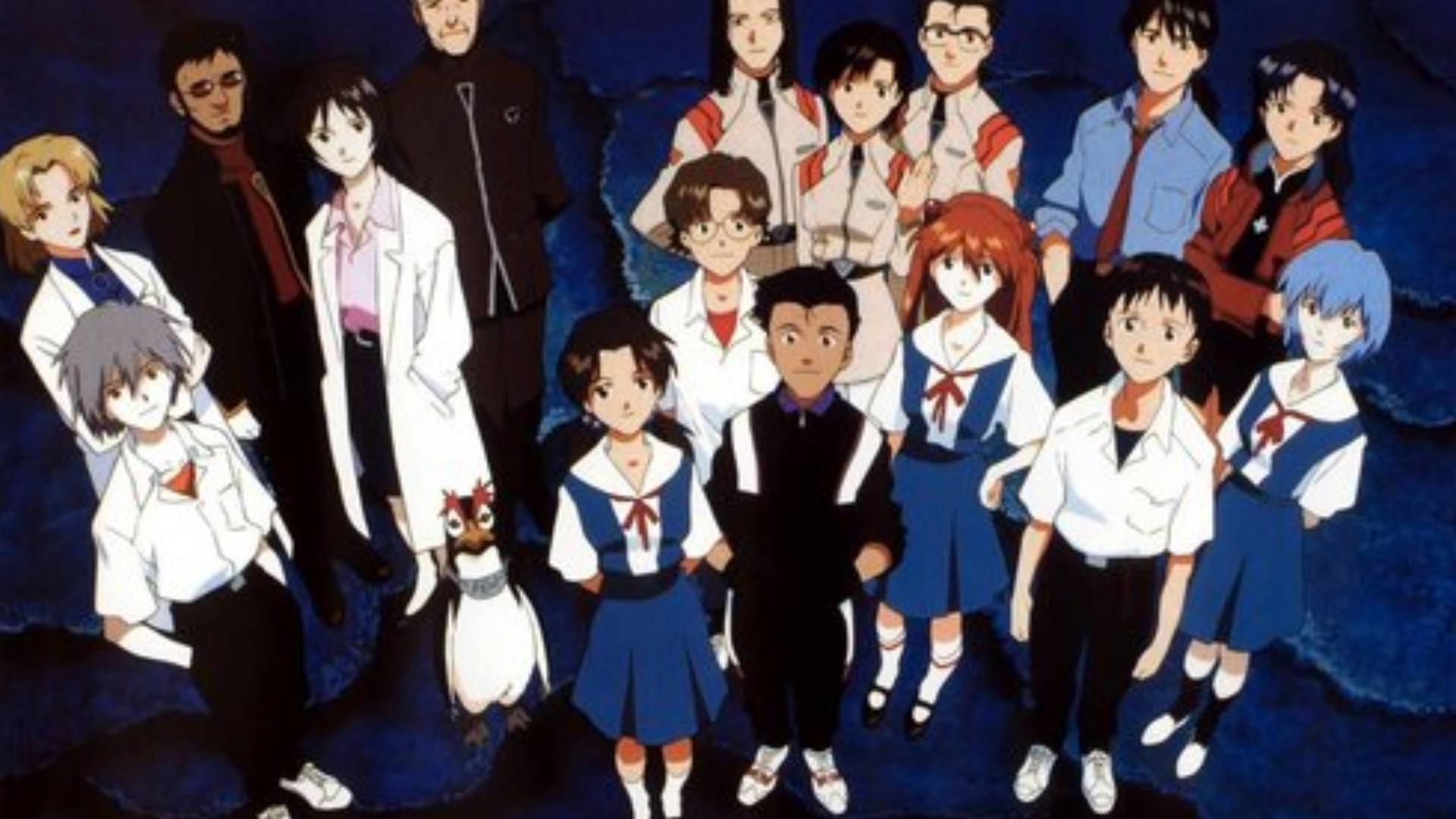
 Image: Evangelion by Gainax (Wikipedia)
Author: VANAS
Evangelion TV Series: A Complete Guide to Neon Genesis Evangelion
Table of Contents
- What Is Neon Genesis Evangelion?
- The Story at a Glance
- The Main Characters and Their Pilots
- Why Evangelion Changed Anime Forever
- Where to Watch the Series
- Understanding the Ending and Sequels
- Frequently Asked Questionsevangelion-tv-series
Neon Genesis Evangelion is a mecha anime series that premiered in Japan in 1995 and quickly became one of the most influential animated shows ever made. Created by Hideaki Anno and produced by Gainax, the series follows a group of teenagers piloting giant bio-mechanical robots called Evangelions to defend Earth from mysterious beings known as Angels. But beneath the mecha action lies a deep psychological drama about depression, trauma, and human connection.
Unlike traditional robot anime of the era, which focused on heroic battles and clear moral lines, Evangelion deconstructs the genre. Its protagonist, Shinji Ikari, is reluctant and emotionally damaged, constantly questioning why he fights. The series explores themes of isolation, the fear of intimacy, and the struggle to find meaning in a hostile world. This subversion of expectations is what made it a cultural phenomenon and why it remains widely discussed decades later.
If you're curious about where to start, what the ending means, or how the TV series connects to the films that followed, this guide covers the essentials. Whether you're a longtime fan revisiting the series or a newcomer drawn by its reputation, you'll find practical information about the show, its viewing order, and its lasting impact on animation.
What Is Neon Genesis Evangelion?
Neon Genesis Evangelion is a 26-episode television series that aired from October 1995 to March 1996. It was created by Hideaki Anno, who drew heavily on his own struggles with depression and his complex relationship with the anime industry. The title combines "Neon Genesis," suggesting a new beginning in a neon-lit future, with "Evangelion," referring to the giant robots and the religious symbolism woven throughout the story.
The series is set in a post-apocalyptic world. Thirty years before the story begins, a global catastrophe called the Second Impact reshaped the planet and wiped out much of humanity. The survivors rebuild in a fortified city called Tokyo-3, living under the constant threat of Angel attacks. Against this backdrop, the series blends mecha action with intimate character studies, creating a tone that shifts from intense battle sequences to quiet, introspective moments.
The Core Premise
At its heart, Evangelion is about the difficulty of human connection. The Evangelion units can only be piloted by teenagers whose neural patterns match the souls of the original angels. This biological requirement ties the pilots' fates together and makes their isolation more poignant. As the characters battle external monsters, they also battle their own internal demons, making each episode a study in human psychology as much as a robot battle.
The Story at a Glance
The story begins when 14-year-old Shinji Ikari is summoned to Tokyo-3 by his estranged father, Gendo Ikari, the commander of the paramilitary organization NERV. Shinji discovers that NERV is fighting Angels, giant monstrous entities that seek to eradicate humanity, using giant Evangelion units piloted by selected children. Reluctantly, Shinji takes the controls of Evangelion Unit-01 and becomes the Third Child.
Over the course of the series, Shinji is joined by other pilots: Rei Ayanami, the mysterious and emotionless First Child, and Asuka Langley Soryu, the confident and competitive Second Child. Together, they face increasingly dangerous Angels while grappling with their own personal struggles. The narrative gradually shifts from episodic monster-of-the-week battles to a darker, more psychological exploration of the characters' minds.
Key plot developments include the revelation of NERV's true motives, the mysterious organization SEELE's manipulation of events, and the growing tension between the pilots and their handlers. By the final episodes, the series abandons conventional storytelling in favor of an abstract, introspective conclusion that left viewers debating its meaning for years.
The Main Characters and Their Pilots
The strength of Evangelion lies in its complex, flawed characters, each representing different psychological archetypes.
Shinji Ikari
Shinji is the reluctant hero. He pilots Unit-01 out of a mix of obligation, fear, and a desperate desire for his father's approval. His internal monologues reveal a boy torn between the pain of fighting and the pain of not fighting. Shinji's journey is one of the most honest portrayals of adolescent anxiety in anime.
Rei Ayanami
Rei is enigmatic and seemingly emotionless, raising questions about her true nature and origins. Her relationship with both Shinji and Gendo is central to the series' emotional core. Rei has become one of the most iconic characters in anime history and a symbol of the "kuudere" archetype.
Asuka Langley Soryu
Asuka is confident, skilled, and fiercely competitive. She masks her deep insecurities with bravado and aggression. Her arc explores the fragility of self-worth tied to external validation, making her one of the most tragic figures in the series.
Gendo Ikari
Gendo, Shinji's father and NERV's commander, is driven by a personal goal that puts him at odds with his son. His cold, manipulative demeanor hides a profound grief and obsession that shapes the entire narrative.
Why Evangelion Changed Anime Forever
Evangelion's impact on anime extends far beyond its ratings. Before the series, mecha anime largely followed established formulas of heroic pilots defeating evil monsters. Evangelion broke these conventions by focusing on the psychological toll of combat and the brokenness of its characters.
The series popularized the use of static shots, minimal animation in key scenes, and documentary-style interviews as narrative devices. Its final two episodes, produced on a limited budget, replaced the planned climactic battle with abstract psychological imagery, sparking intense debate and cementing the show's reputation for challenging audiences.
Evangelion also influenced the broader anime industry's approach to serialized storytelling and character-driven narratives. Many subsequent series, from psychological thrillers to mecha shows, owe a debt to its willingness to prioritize emotional truth over spectacle. For aspiring animators and storytellers, studying Evangelion offers insight into how animation can convey complex internal states and how genre conventions can be reinvented.
Where to Watch the Series
Streaming availability for Evangelion varies by region, so here's a practical overview:
- Crunchyroll: In many regions, Crunchyroll streams the original TV series and the Rebuild of Evangelion film quartet.
- Hulu: Hulu offers the TV series and related films in supported territories.
- Amazon Prime Video: Evangelion titles are available for purchase or rental in various regions.
- Funimation: Some Evangelion content is available through Funimation's catalog.
- Physical media: Blu-ray and DVD collections from distributors like Sentai Filmworks provide high-quality options for collectors.
Because licensing changes frequently, check your local availability before choosing a platform. The Rebuild of Evangelion films, a four-movie reimagining released between 2007 and 2021, are also worth watching for a fresh take on the story with updated animation.
Understanding the Ending and Sequels
The original series' ending is famously ambiguous. Episodes 25 and 26 abandon the external plot entirely, presenting an internal dialogue where characters confront their own self-worth and the possibility of connection. Many viewers found this confusing, which led to the theatrical film The End of Evangelion, released in 1997. This film presents an alternate, more conventional conclusion to the TV series' final episodes and is now considered essential viewing.
Following the original series and film, the Rebuild of Evangelion tetralogy reimagined the story for modern audiences. The first three films retell and expand the TV narrative, while the fourth, Evangelion: 3.0+1.0 Thrice Upon a Time (2021), provides a definitive conclusion to the saga. Watching the TV series first, then the films, gives the fullest understanding of the story and its evolution.
Frequently Asked Questions
What is the best order to watch Evangelion?
For first-time viewers, watch the 26-episode TV series first, then The End of Evangelion, followed by the Rebuild of Evangelion films in release order.
Is Evangelion suitable for children?
No. The series contains intense psychological themes, violence, and mature subject matter including depression and existential crisis. It is best suited for teens and adults.
What is the difference between the TV series and the Rebuild films?
The Rebuild films retell the story with updated animation, expanded scenes, and some divergences from the original plot. They conclude the saga in a way the TV series never did.
Why is the ending so confusing?
The final episodes were produced under tight budget and time constraints, leading Anno to take an experimental, introspective approach. The confusion was intentional, designed to force viewers to confront the characters' internal struggles.
Are there any spin-offs or related series?
Several spin-offs exist, including Neon Genesis Evangelion: Campus Reconnaissance Device, a comedic parody, and Evangelion: 1.11 You Are (Not) Alone, a remastered version of the first Rebuild film.
How long is each episode?
Standard episodes run approximately 24 minutes, including commercials. The Rebuild films range from about 95 to 155 minutes each.
Conclusion
Neon Genesis Evangelion is more than a mecha anime; it is a landmark work that redefined what animation could achieve emotionally and narratively. Its exploration of trauma, isolation, and the search for connection resonates with viewers across generations, and its influence on the industry remains undeniable. Whether you're drawn in by the giant robots or staying for the psychological depth, the series offers a rewarding and thought-provoking experience.
If the world of Evangelion inspires you to explore animation professionally, VANAS Online Animation School offers Animation, Visual Effects, and Video Game programs designed to help you build a career in the industry. Visit www.vanas.ca to learn more about our programs and how we can support your creative journey.