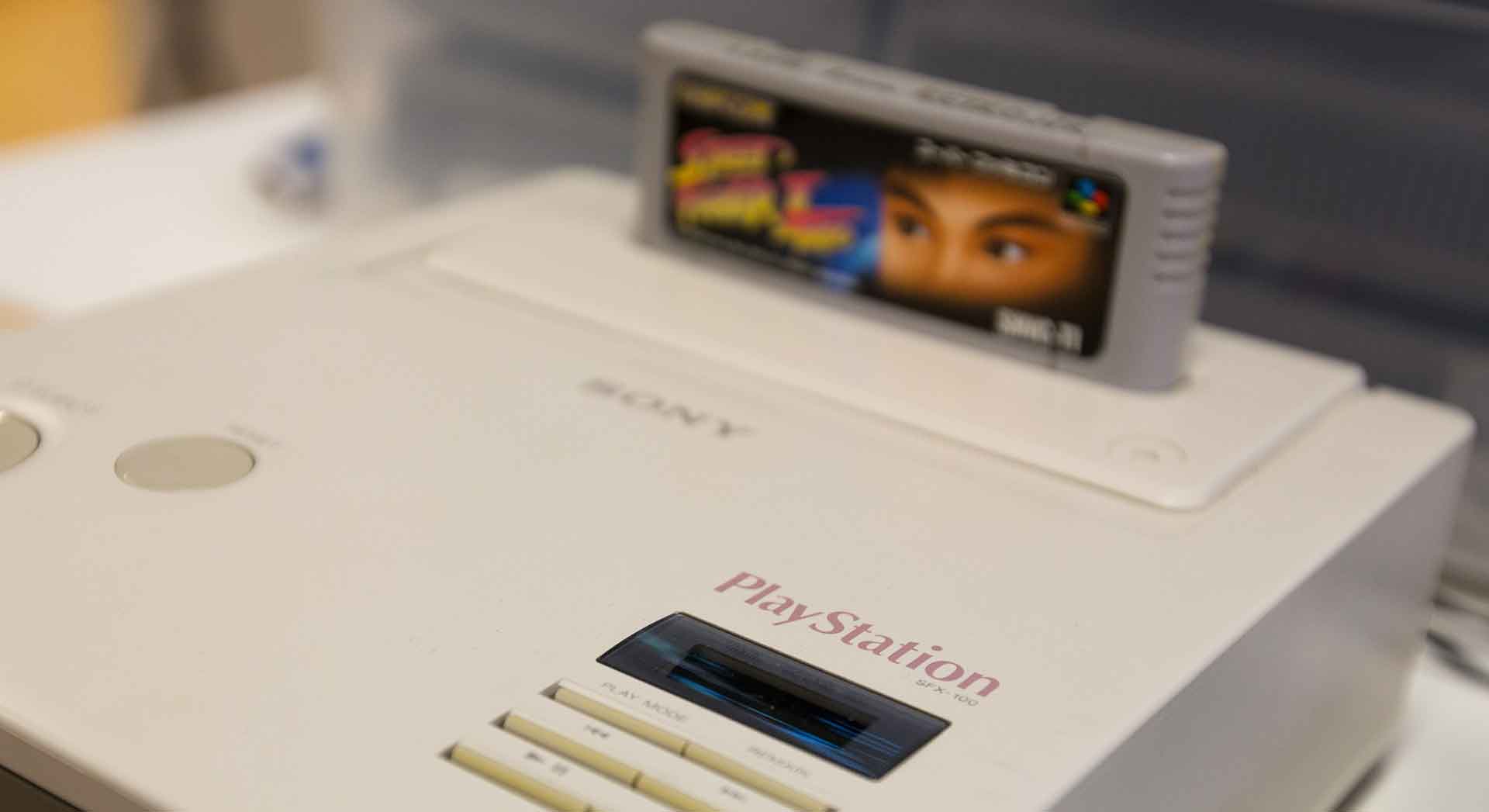
 Image: By Mats Lindh - Nintendo Playstation, Wikipedia
Author: VANAS Team
PlayStation Discontinues Physical Games
Table of Contents
- The Announcement and Its Immediate Impact
- Why Sony Made the Decision
- Implications for Gamers and the Industry
- Preservation and the Digital Divide
- The Role of Indie Developers
- Future Trends in Game Distribution
- Frequently Asked Questions
- Key Takeaways
1. The Announcement and Its Immediate Impact
On June 5, 2026, Sony Interactive Entertainment (SIE) released a statement that would reverberate across the gaming community: the PlayStation 5 and future PlayStation consoles would no longer receive physical game releases. The company cited a combination of supply chain constraints, environmental concerns, and a strategic pivot toward digital-first experiences. The news was met with a mix of excitement, confusion, and outright concern.
Within hours, forums such as Reddit’s r/PlayStation and Discord communities erupted. Some users celebrated the move as a step toward sustainability, while others worried about the loss of tangible collectibles, the potential for price gouging, and the impact on regions with limited broadband access.
2. Why Sony Made the Decision
2.1 Supply Chain Realities
The global semiconductor shortage that began in 2020 has persisted, affecting everything from GPUs to console hardware. Producing physical discs requires a complex supply chain: manufacturing the discs, packaging, shipping, and retail distribution. SIE reported that the cost of maintaining this chain had risen by 35% over the past two years.
2.2 Environmental Considerations
Sony’s sustainability report highlighted that physical media production contributes to 1.2% of global CO₂ emissions. By eliminating physical discs, the company aims to reduce its carbon footprint and align with its 2030 net‑zero target.
2.3 Digital‑First Strategy
Digital sales have grown from 20% of total revenue in 2015 to 45% in 2025. Sony sees an opportunity to streamline operations, reduce inventory risk, and offer instant access to a global library. The company also plans to invest in cloud gaming services, anticipating a shift toward subscription models.
3. Implications for Gamers and the Industry
3.1 Accessibility and Affordability
While digital distribution eliminates shipping costs, it introduces a new barrier: reliable high‑speed internet. In regions where broadband penetration is below 60%, gamers may find it difficult to download large titles. Moreover, digital storefronts often lock games to a specific region, limiting cross‑border purchases.
3.2 Collectibility and Nostalgia
Physical discs have long been prized by collectors. The tactile experience of a game case, the ability to trade or resell, and the sentimental value of a signed copy are all lost. This shift may alienate a segment of the market that values these aspects.
3.3 Secondary Market Disruption
The resale market for used games—once a thriving ecosystem—faces uncertainty. Digital licenses are typically non‑transferable, meaning that a used game cannot be sold or traded. This could reduce the overall value of the PlayStation ecosystem.
4. Preservation and the Digital Divide
4.1 Digital Preservation Challenges
Unlike physical discs, digital copies are tied to a specific platform and can become inaccessible if the service shuts down. The industry must develop robust archiving solutions, such as cloud backups and open‑source emulation projects, to preserve games for future generations.
4.2 Bridging the Digital Divide
Sony’s plan includes subsidizing broadband in underserved areas and partnering with local ISPs to offer discounted speeds for gamers. However, critics argue that these measures are insufficient and that the company should provide a hybrid model that includes both digital and physical options.
5. The Role of Indie Developers
Indie studios often rely on physical releases to generate early revenue and build a fan base. With the shift to digital, they face higher upfront costs for server infrastructure and marketing. On the flip side, digital distribution lowers barriers to entry, allowing smaller teams to reach a global audience without the overhead of manufacturing.
Sony has announced a new Indie Digital Fund, allocating $10 million annually to support indie projects that adopt cloud‑based distribution models. This initiative aims to balance the benefits of digital with the financial realities of small studios.
6. Future Trends in Game Distribution
6.1 Subscription Services
Sony’s PlayStation Plus Premium is expanding to include a “Game Pass”‑style library, offering unlimited access to a rotating catalog. This model mirrors Microsoft’s Xbox Game Pass and is expected to become a primary revenue stream.
6.2 Cloud Gaming
With the launch of PlayStation Now 2.0, Sony is investing heavily in low‑latency streaming. The service promises to deliver console‑quality gameplay on a range of devices, from smartphones to smart TVs, potentially redefining how gamers access content.
6.3 Blockchain and NFTs
Some developers are exploring blockchain‑based ownership models, allowing players to own in‑game assets as NFTs. While controversial, this technology could offer new monetization avenues and a form of digital ownership that persists beyond platform shutdowns.
7. Frequently Asked Questions
Q: Will my existing physical game library become unusable? A: Physical discs will still work on current hardware, but future titles will not be released in that format.
Q: Can I still buy used games? A: Physical used games remain available through third‑party retailers, but digital copies cannot be resold.
Q: How will this affect game prices? A: Digital prices may fluctuate based on supply and demand, but Sony plans to keep base prices stable to avoid price gouging.
Q: What about regions with limited internet? A: Sony is working on partnerships to improve broadband access, but the transition may still pose challenges.
8. Key Takeaways
- Sony’s move to eliminate physical game releases is driven by supply chain costs, environmental goals, and a digital‑first strategy.
- The decision raises concerns about accessibility, preservation, and the future of the secondary market.
- Indie developers face both challenges and opportunities in a digital‑centric ecosystem.
- Subscription services, cloud gaming, and emerging technologies like blockchain are shaping the next era of game distribution.
- The gaming community must adapt to ensure that the cultural and economic value of games remains intact.
VANAS Online Gaming Academy offers courses in Game Development, Digital Distribution, and Cloud Gaming. To explore your career path, visit https://www.vanas.ca