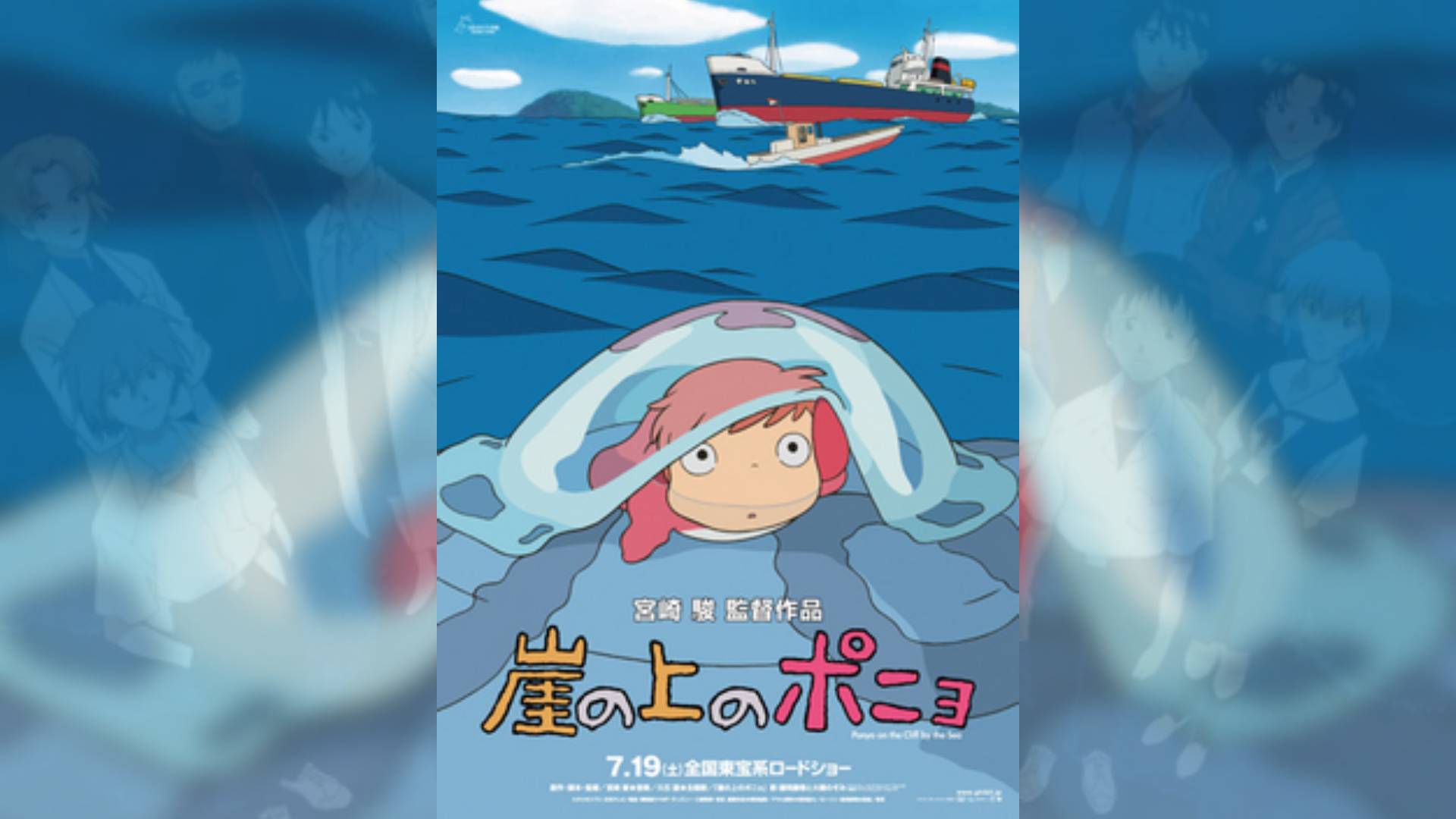
 Image: Ponyo by Studio Ghibli (Wikipedia)
Author: VANAS
What Happened to Ponyo Animation? The Story Behind Studio Ghibli's Ocean Masterpiece
Table of Contents
- What Is Ponyo?
- The Hand-Drawn Animation Process
- Why Ponyo Was a Technical Challenge
- The Production Journey
- Reception and Legacy
- Where to Watch Ponyo
- Frequently Asked Questions
Ponyo is a 2008 animated film written and directed by Hayao Miyazaki and produced by Studio Ghibli. It tells the story of a goldfish princess named Ponyo who longs to become human after forming a bond with a five-year-old boy named Sosuke. The film is celebrated for its vibrant underwater world, its hand-drawn animation style, and its simple yet emotionally resonant story about friendship, nature, and acceptance.
The question "what happened to Ponyo animation" often arises because the film stands out from most modern animation. While Hollywood studios had largely switched to computer-generated imagery (CGI) by 2008, Miyazaki and Studio Ghibli committed to traditional hand-drawn cel animation. Every frame of Ponyo was painted by hand, resulting in a warm, textured look that digital tools struggle to replicate. This decision made the production labor-intensive and expensive, but it gave the film a timeless quality that continues to delight audiences.
If you're wondering how Ponyo was made, why it looks so different from other animated films, or what happened to the studio behind it, this guide covers the full story. Whether you're a Ghibli fan or new to Miyazaki's work, you'll find practical insights into the animation process, the film's production challenges, and its lasting impact on the industry.
What Is Ponyo?
Ponyo follows the adventures of Ponyo, a young goldfish who escapes from the ocean and is rescued by Sosuke, a kind-hearted boy living near the sea. Ponyo wishes to become human, and with the help of her magical father, Fujimoto, she transforms into a human girl. However, her transformation triggers a chain of events that threatens the balance of nature, forcing Sosuke, Ponyo, and their friends to save the world.
The film is notable for its target audience. Unlike many Ghibli films that appeal to all ages, Ponyo was specifically designed for young children, with simple dialogue and clear moral themes. Yet it retains the visual richness and emotional depth that Ghibli is known for, making it enjoyable for viewers of any age.
The Visual Style
Ponyo's visuals are inspired by children's drawings and early animation. Miyazaki wanted the film to feel like a storybook come to life, with bold colors, rounded shapes, and a playful energy. The ocean is depicted with flowing, organic lines that capture the movement of water in a way that feels both realistic and dreamlike.
The Hand-Drawn Animation Process
Creating Ponyo required hundreds of animators to hand-draw approximately 105,000 frames. Each frame was painted on traditional cel sheets, a technique that had become rare in the industry by the late 2000s. The process began with storyboards drawn by Miyazaki himself, who is known for his meticulous planning and detailed sketches.
Once the storyboards were finalized, key animators drew the main poses and movements, and in-between animators filled in the frames to create smooth motion. The background art was painted by hand using watercolor and gouache, giving each scene a soft, painterly quality. This level of craftsmanship is what gives Ghibli films their distinctive aesthetic.
For aspiring animators, studying Ponyo offers valuable lessons in the fundamentals of hand-drawn animation. The film demonstrates how simple line work and expressive character design can convey emotion without relying on complex effects or technology.
Why Ponyo Was a Technical Challenge
Ponyo presented unique challenges, particularly in animating water. Water is one of the most difficult elements to render convincingly in animation because it is transparent, reflective, and constantly in motion. Miyazaki insisted on hand-drawing every wave, bubble, and splash, which required animators to study real ocean footage and develop new techniques for depicting fluid movement.
The film also pushed the limits of traditional animation in terms of scale. Large ocean scenes required coordinating dozens of animators working on the same frames, ensuring consistency in the movement of water across the screen. This coordination was managed through careful planning and close collaboration between the animation team and directors.
Despite these challenges, the hand-drawn approach produced results that CGI could not easily match. The organic imperfections of hand-painted animation give Ponyo a warmth and charm that digital rendering often lacks.
The Production Journey
Production on Ponyo began in 2006, with Miyazaki taking a hands-on role in every stage of development. The film was released in Japan in July 2008 and became the highest-grossing Japanese film of that year. It was later released internationally, including a North American version dubbed by Hayao Miyazaki's son, Hikoshi Miyazaki, who also performed the title song.
The film's success demonstrated that hand-drawn animation could still compete commercially, even in an era dominated by CGI. It earned critical acclaim and was nominated for numerous awards, including an Academy Award for Best Animated Feature.
Studio Ghibli, the studio behind Ponyo, continues to operate today under the leadership of Toshio Suzuki and, increasingly, Hayao Miyazaki's son Goro Miyazaki. While the studio has faced challenges, including the retirement of key staff and the passing of Hayao Miyazaki's longtime collaborator Isao Takahata, it remains one of the most respected animation studios in the world.
Reception and Legacy
Ponyo was praised for its visual beauty, its gentle storytelling, and its commitment to traditional animation. Critics and audiences alike appreciated its message about environmental stewardship and the importance of protecting the natural world. The film's depiction of the ocean as a living, breathing entity resonated with viewers and reinforced Ghibli's reputation for nature-focused storytelling.
Ponyo's legacy extends beyond its box office success. It inspired a generation of animators to pursue hand-drawn techniques and reminded the industry that emotional storytelling does not require cutting-edge technology. The film is frequently cited in animation courses and discussions about the art of traditional cel animation.
For those interested in the craft, Ponyo serves as a reminder that animation is as much about heart and vision as it is about technical execution. The film's enduring popularity proves that audiences still connect deeply with hand-crafted imagery.
Where to Watch Ponyo
Streaming availability for Ponyo varies by region, so here's a practical overview:
- Netflix: In many regions, Netflix hosts Ponyo as part of its Studio Ghibli collection.
- Amazon Prime Video: Ponyo is available for purchase or rental in various territories.
- Hulu: Hulu offers the film in supported regions.
- Physical media: Blu-ray and DVD releases from distributors like GKIDS provide high-quality options for collectors.
Because licensing agreements change frequently, check your local availability before choosing a platform. The film is also available on digital platforms such as Apple TV and Google Play in many markets.
Frequently Asked Questions
Why is Ponyo animated by hand instead of CGI?
Miyazaki prefers hand-drawn animation for its warmth and expressiveness. He believes that hand-painted frames carry a human touch that digital tools cannot fully replicate.
How long did it take to make Ponyo?
Production began in 2006 and the film was released in 2008, spanning roughly two years of development and animation work.
Is Ponyo suitable for young children?
Yes. Ponyo was specifically designed for young children, with simple themes and gentle storytelling. It is appropriate for family viewing.
What is the story of Ponyo about?
Ponyo tells the story of a goldfish princess who becomes human and forms a bond with a young boy, exploring themes of friendship, nature, and acceptance.
Did Ponyo win any awards?
Ponyo received numerous accolades, including an Academy Award nomination for Best Animated Feature and a Japan Academy Prize for Animation of the Year.
How many frames were drawn for Ponyo?
Approximately 105,000 frames were hand-drawn and painted for the film, a testament to the labor-intensive nature of traditional animation.
Conclusion
Ponyo remains a beloved masterpiece that showcases the enduring power of hand-drawn animation. Hayao Miyazaki's commitment to traditional techniques produced a film that is visually stunning, emotionally resonant, and timeless. The story of Ponyo's creation is a reminder that animation thrives on creativity and dedication, not just technology.
If the world of animation inspires you to pursue a creative career, VANAS Online Animation School offers Animation, Visual Effects, and Video Game programs designed to help you build the skills needed for the industry. Visit www.vanas.ca to learn more about our programs and how we can support your creative journey.