 Photo by Cláudio Luiz Castro on Unsplash
What Is a Character Artist in Video Games?
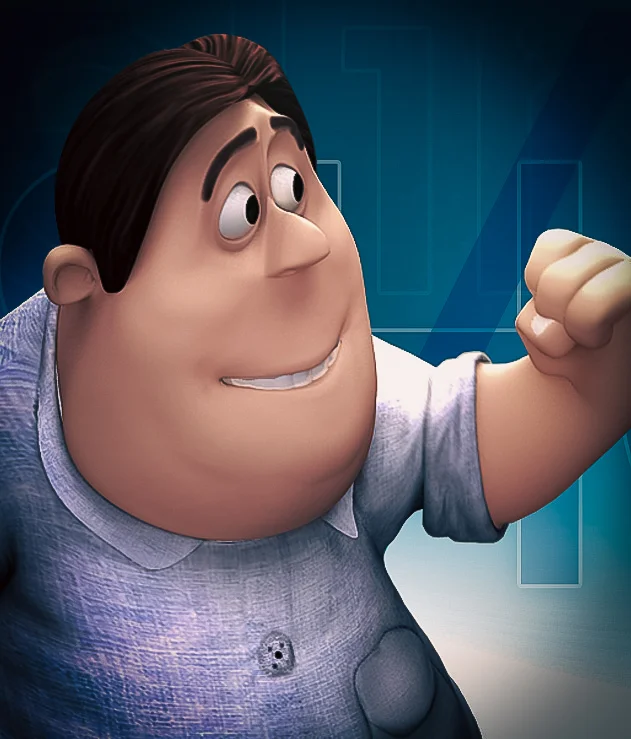
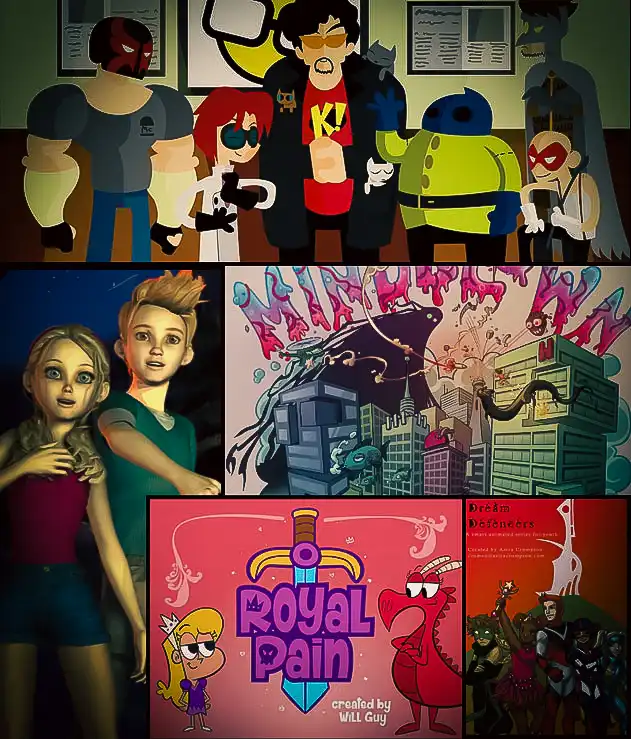
The short answer is: a character artist creates the people, creatures, and beings that populate video games. They design, model, texture, and animate characters that players interact with, from protagonists and antagonists to background NPCs and fantastical creatures. Character artists are the creators of the faces and personalities that players remember long after they finish a game.
At VANAS School, we help students understand that character art is not just about making things look good — it is about creating characters that serve the story, support the gameplay, and connect with players on an emotional level.
What Character Artists Do
Character Design
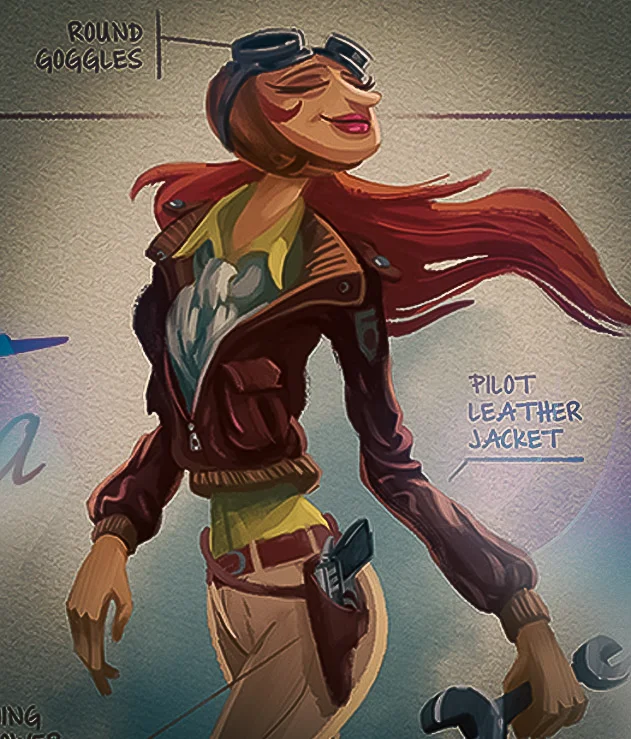
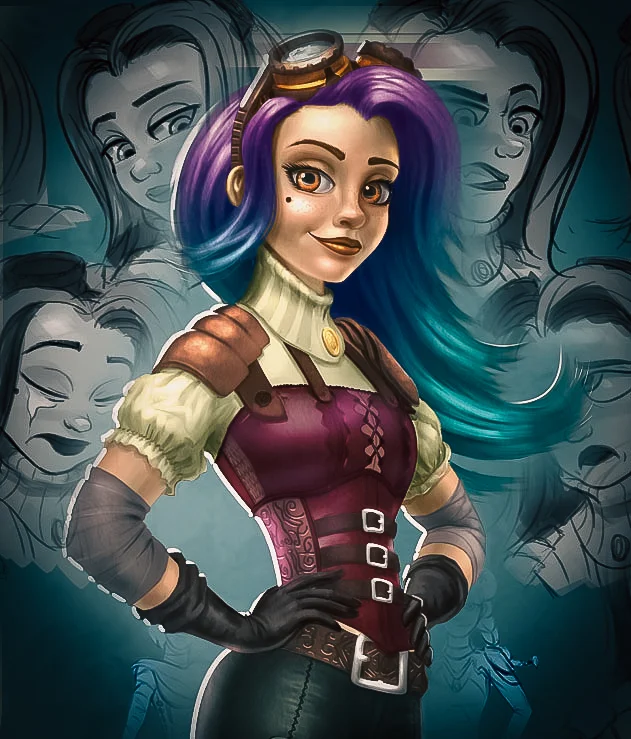
Character artists begin with design. They create concept sketches, explore different visual directions, and work with art directors to define the look and feel of each character. Good character design communicates personality, role, and story through visual elements like silhouette, proportions, and details.
3D Modeling
Character artists create 3D models of their characters. This involves building the geometry that defines the character's shape, from the overall silhouette down to fine details like facial features and clothing. The modeling process requires both artistic skill and technical knowledge of polygon budgets and topology.
Sculpting
Many character artists use digital sculpting tools to create highly detailed models. Sculpting allows artists to add organic details like muscle definition, skin pores, and fabric folds that give characters a realistic or stylized appearance.
Texturing and Materials
Character artists create textures and materials that define how surfaces look. This includes skin, clothing, armor, hair, and accessories. Textures must be detailed enough to look good up close but optimized for real-time performance in game engines.
Rigging and Skinning
Character artists often work with technical artists to set up rigs — the digital skeleton that allows characters to move. They ensure that meshes deform correctly when animated, creating natural-looking movement.
Animation Preparation
Character artists prepare their models for animation by ensuring proper topology, creating blend shapes for facial expressions, and setting up materials that work well with lighting and animation systems.
The Character Art Pipeline
Concept and Reference Gathering
The process begins with gathering references and creating concept art. Character artists study real-world anatomy, fashion, and cultural references to inform their designs. They create multiple sketches and iterations before settling on a final design.
Blockout and Proportions
Artists create a blockout — a rough 3D model that establishes the character's proportions and silhouette. This stage focuses on getting the overall shape right before adding details.
High-Poly Sculpting
Once the blockout is approved, artists create a high-polygon sculpt with all the fine details. This high-poly model serves as the source for generating normal maps and other texture maps.
Retopology
Artists create a clean, low-polygon version of the character that can be used in real-time applications. This requires careful attention to edge flow and topology to ensure the model deforms correctly during animation.
UV Unwrapping
Artists unwrap the 3D model's surface into a 2D layout so textures can be applied. Proper UV unwrapping is crucial for efficient texture usage and avoiding seams.
Texturing
Using software like Substance Painter, artists paint textures that define the character's surface appearance. This includes base colors, roughness, metallic properties, and other material attributes.
Final Integration
The finished character is integrated into the game engine, where lighting artists and animators bring it to life. Character artists may need to make adjustments based on how the character looks in the final game environment.
Skills Every Character Artist Needs
Artistic Fundamentals
Strong fundamentals in drawing, anatomy, color theory, and composition are essential. Character artists must understand human and animal anatomy to create believable characters. They also need a strong sense of design to create characters that are visually interesting and communicate personality.
3D Modeling and Sculpting
Proficiency in 3D modeling software like Maya, Blender, and ZBrush is crucial. Character artists must be able to create both organic and hard-surface geometry, from human figures to armor and clothing.
Texturing and Materials
Understanding how to create realistic and stylized textures is essential. Artists use software like Substance Painter, Substance Designer, and Photoshop to create materials that look convincing and support the game's aesthetic.
Understanding of Anatomy
A deep understanding of human and creature anatomy is crucial for creating believable characters. Character artists must know how muscles, bones, and skin work together to create realistic movement and form.
Technical Knowledge
Understanding game engines like Unity and Unreal Engine is important. Artists must know how to optimize assets for real-time performance, manage polygon budgets, and work within technical constraints.
Attention to Detail
Character artists must pay close attention to details that make characters believable. This includes small elements like pores, fabric weaves, and wear patterns that add realism and character.
Types of Character Artists
Character Modeler
Character modelers focus on creating the 3D geometry of characters. They build both high-poly sculpts and low-poly game models, ensuring proper topology and detail levels.
Texture Artist
Texture artists specialize in creating the surface details of characters. They paint textures that define how materials look, from skin pores to fabric weaves to metal scratches.
Character Rigger
Character riggers set up the digital skeletons that allow characters to move. They create control systems that animators use to pose and animate characters.
Facial Artist
Facial artists specialize in creating realistic or stylized facial features and expressions. They create blend shapes and facial rigs that allow for nuanced character performances.
Creature Artist
Creature artists focus on designing and creating non-human characters. This requires imagination and understanding of anatomy, even for fantastical creatures.
How VANAS School Prepares You for Character Art
VANAS School offers comprehensive programs in character art that cover all aspects of the discipline. Students learn both the artistic fundamentals and the technical skills needed to succeed in the industry.
The curriculum is designed by industry professionals who understand what studios need. Students work on real projects that simulate professional game development, building portfolios that demonstrate their abilities. The school's career services team helps students connect with hiring opportunities and prepare for interviews.
Getting Started in Character Art
Build Your Foundation
Start by developing your artistic fundamentals. Practice drawing from life, study anatomy, and learn about color theory and composition. These skills are essential for creating believable characters.
Learn Industry Software
Familiarize yourself with industry-standard tools. Start with free options like Blender and GIMP, then move to professional software as your skills develop. Learn ZBrush for sculpting and Substance Painter for texturing.
Study Real Anatomy
Spend time studying human and animal anatomy. Visit museums, take life drawing classes, and study reference photos. Understanding how bodies work is crucial for creating believable characters.
Create Personal Projects
Build your own characters to demonstrate your skills. Personal projects show initiative and creativity, and they give you something concrete to show potential employers.
Seek Feedback
Share your work with others and seek constructive feedback. Online communities, forums, and local art groups can provide valuable insights and help you improve.
Build a Portfolio
Your portfolio is your most important tool for getting hired. Focus on quality over quantity, and tailor your portfolio to the specific roles you are interested in. Include a variety of characters that showcase your range.
FAQ
Q: Do I need to be good at drawing to be a character artist?
A: While drawing skills are helpful, they are not the only requirement. Many successful character artists are strong in 3D modeling and texturing. VANAS School helps students develop all necessary artistic skills.
Q: What software should I learn first?
A: Start with free tools like Blender for 3D modeling and GIMP for texturing. Once you have a solid foundation, you can move to professional software. VANAS School teaches all industry-standard tools.
Q: How important is anatomy knowledge for character artists?
A: Extremely important. Understanding how bodies work is crucial for creating believable characters. VANAS School includes extensive anatomy training in its curriculum.
Q: Can I specialize in character art or should I learn everything?
A: Early in your career, it is beneficial to learn multiple areas to understand the full pipeline. As you progress, you can specialize in character art. VANAS School offers specialized tracks for focused learning.
Q: What industries hire character artists?
A: Beyond traditional game studios, character artists work in film, television, animation, advertising, and many other fields that use 3D character creation. The skills are highly transferable across industries.
Q: How do I build a portfolio for character art?
A: Focus on creating a variety of characters that showcase your skills. Include different types of characters — humans, creatures, stylized, and realistic. Show your process from concept to final render. VANAS School helps students build compelling portfolios throughout their training.
Conclusion
A character artist in video games creates the memorable beings that players connect with, combining artistic vision with technical skill to bring characters to life. The role requires creativity, attention to detail, and a deep understanding of both art and technology. VANAS School provides the training, tools, and industry connections you need to launch a successful career in character art.